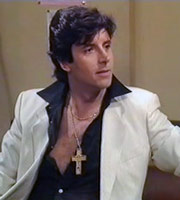
You are on stage in the middle of a scene. The other player is someone you have seen around but have not played with much before. The scene started fine, but somehow it seems to be going out of control and suddenly your scene partner is up very close and grabbing you. You feel uncomfortable but put it down to being inexperienced or that you missed something. After the show, rehearsal or workshop is over the incident sticks with you longer than you expect. Does this sound at all familiar to you?
An essential thing that is missing here is not experience; it is trust. A comparable interaction with an improviser you have played with a lot maybe does not bother you. The trust is there; you are looking out for each other.
In improv we spend a lot of time out of our comfort zone. So much so, that we can find it difficult to realise straight away when things go too far. It can be hard to differentiate between the discomfort of being on stage with no idea where the scene is going and the discomfort of doing things that are crossing personal boundaries for you.
 |
| For some things, the best illustrations come from workplace stock photos. |
Things that cross personal boundaries are varied. They are things like physical closeness, bodily contact, especially if not gentle, and things that are more intimate. It can also be of being in a scene where the content is uncomfortable somehow. Mostly I’ll be talking about physical contact as this is where the greyest area is. I’m not even talking about when it is actually violent, dangerous or genuinely sexual as this is never okay.
We all have boundaries about these sort of things. They vary for different people; they vary by situation; they vary depending on who else is in the scene, who is in the audience, and what has happened that day. And it’s made harder because when you begin, most of improv is putting yourself out of your comfort zone.
But these boundaries exist and they should be respected. By yourself as well as others.
As I said, we tend to blame ourselves that we aren’t better improvisers or that we didn’t understand what was going on. And worse, scene partners can also often blame us if we don’t fully go along with where they thought the scene was heading.
A very clear example of what I’m talking about is being handled roughly in a scene, say grabbed forcefully. This will almost certainly cross a boundary in the other player if you don’t know each other so well and haven’t discussed this sort of thing.
Sometimes, players do realise their boundaries are being crossed on stage and their response is influenced by that. But even here, there is a tendency for the performer to criticise themselves for their response and even for the other player to do so too.
 |
| This scene has been recreated by actors. |
A frequent response to this is afterwards for Augustine to complain that Bertha blocked him. Which is not true. You can say that Bertha yes-anded their own sensibilities (boundaries), and, indeed, that of the audience, who would not want to see a player truly uncomfortable.
Now, was Bertha overriding Augustine’s offer with her own internal impulse? I say no. The impulse was a reaction to the offer.
Yes, in a different situation, if Bertha trusted Augustine more, she would have possibly allowed him to touch her hair. But this is irrelevant. What matters is what happens in the scene between these players at this moment.
The problem here is not Bertha’s reaction to the offer, but Augustine’s response to Bertha’s reaction. If Augustine was paying full attention to Bertha, he should have realised Bertha’s response was due to boundaries being crossed. He could even have seen the signs before hemade the move and made a different offer that indicates the same emotion but less intrusively. Bertha’s response is an offer, and as it was so nicely put to me recently: “Your job as an improviser is to make your scene partner comfortable. If they feel uncomfortable or scared, you have failed.”
Augustine’s objection comes in part from only seeing his offer as he originally intended it. He is seeing his offer as “A touches B’s hair,” but this is presumptive. The offer is in fact, “A tries to touch B’s hair” and the response is “B avoids the their hair being touched.” In terms of wants of the character, there is no blocking. In fact it’s fine for two characters to want different things as long as they acknowledge the others want.
The real problem, of course, is the fact Augustine reached for the hair at all when Bertha wasn’t ready for it. It shows there isn’t a good connection between the scene partners and/or the offer to touch the hair really wasn’t the next step in a process of discovery by the two players in that a scene. In fact, in most cases this sort of thing happens because one actor is railroading the scene, pushing forward their own vision of what should happen whilst taking little input from the other player.
I’ve heard people explain that they went too far because they were “in the moment.” But “the moment” is not just whats going on in your head, it’s what is happening all around you, between you and your partner. Being so into something you are doing that you don’t notice your partner is NOT improvising.
Improv is about taking care of each other. It’s about paying attention. Inattentiveness is not an excuse. We have to be attentive: it is the CORE of what we do. If you are not paying attention how can you accept?
Being aware; Read signals; Always be respectful.
And this doesn’t just happen between actors who don’t know each other, it can happen between people in the same team, people who have played a lot together. As we said, it’s not about inexperience, it’s about not paying attention
If you do accidentally go too far, which can of course happen, you should be aware of it and adjust. Use the response from the other player in an accepting way, and most of all apologise after the scene. You might step over a line very occasionally, but have the awareness to realise it and the humility to apologise for it. The big problem is not that it happens at all, it’s when it happens frequently.
If you find yourself in the situation of being uncomfortable due to boundaries being crossed, don’t be afraid to let your scene partner know. Any good, attentive improviser should pick up on this and use your response as an offer and certainly they should not push further.
You are not being a bad improviser for not accepting something you feel highly uncomfortable with (i.e. something beyond any normal feeling of being out of your comfort zone in improv). As I have explained, this is usually not actually blocking.
What can you do if your signals are not seen?
- You can make them more obvious.
- Make an offer that deflects where the scene is going.
- You can even call out the actor’s behaviour attributing it to the character.
- And if still, it continues, you can always leave the stage. No show is worth being made to feel unsafe for. Your integrity as a player is more important than the scene.
Players on the side can also help.
- Edit the scene and start a new one or tag one of the players out.
- Intervene as another character or voiceover.
- Bring it up after the show/rehearsal.
This sort of thing affects us all, whether you are a victim or not. In fact, I’m sure more people have had this happen than you think. Maybe all of us. Not too long ago, I was groped on stage by an actor I did not trust who did it because he knew I would accept it and because he thought it was funny. (The audience did laugh, but mostly at the how weird and inappropriate it was.)
Discussing this sort of thing within you group, saying what people do and don’t feel comfortable with is the best way to raise awareness and prevent things going too far.
Everyone, especially more advanced players, should be more attentive to this sort of thing (and not just on stage). We should edit uncomfortable scenes, call-out inappropriate behaviour, remind everyone that this is a medium that only works when we work together. As always we should remember the words of the great guru, Gerald Springer, “Take care of yourself and each other.”